土の中で起きている、目に見えない小さな奇跡。
科学をベースにしたショートストーリーで、子どもも大人も楽しく学べます♪
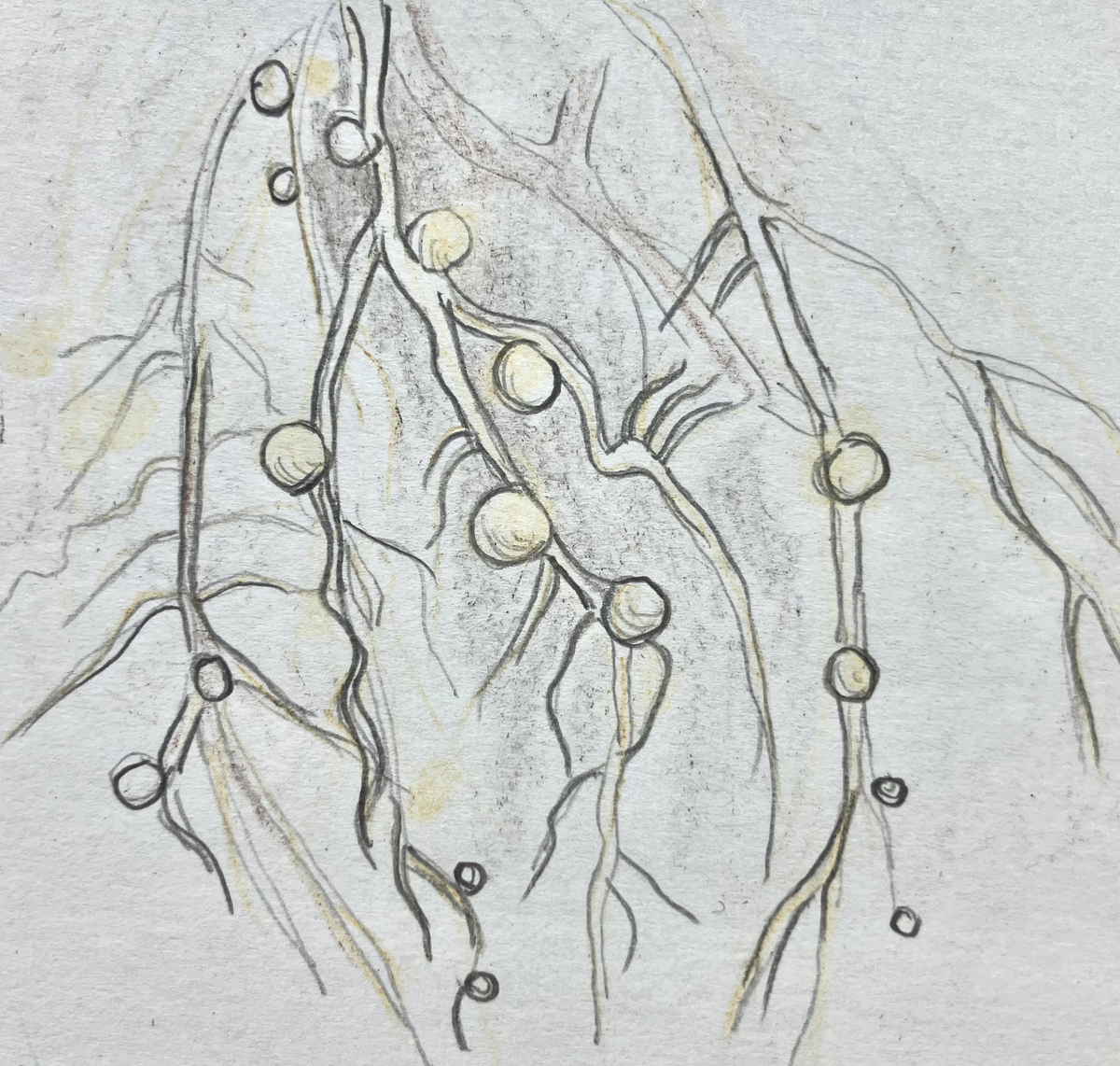
ある春の朝、緑豊かな田園地帯に住む少女、みどりは、家族の畑で大豆の種を植えていました。
One spring morning, a girl named Midori, who lives in a lush rural area, was planting soybean seeds in her family's field.
みどりは10歳で、学校で植物の育て方を学んだばかりでした。
Midori is 10 years old and had just learned how to grow plants at school.
わくわくしながら土を掘り返していましたが、彼女は知りませんでした。
She was excitedly digging the soil, but she didn't know.
この土の中には、目に見えない小さな魔法使いたちが住んでいることを。
That invisible little wizards live in this soil.
土は柔らかく、湿っていて、みどりが種を埋めると、すぐに周りの土が優しく包み込んでくれました。
The soil was soft and moist, and as soon as Midori buried the seed, the surrounding soil gently enveloped it.
種は暗い土の中で目を覚まし、ゆっくりと根を伸ばし始めました。
The seed woke up in the dark soil and slowly began to extend its roots.
その根は、細くて白く、まるで探検家の触手のように、周囲を探っていました。
The roots were thin and white, searching around like an explorer's tentacles.
「ここはどんな場所かな? 栄養は十分かな?」と、根はささやくように思いました。
"What kind of place is this? Is there enough nutrition?" the roots seemed to whisper.
大豆の苗は、太陽の光を浴びて葉を広げ始めましたが、土の中では問題が起きていました。
The soybean seedling began to spread its leaves under the sunlight, but a problem arose underground.
土の栄養分、特に窒素が足りないのです。
The soil's nutrients, especially nitrogen, were insufficient.
窒素は植物にとって大事なもので、葉を緑に保ち、大きく育てるためのエネルギー源です。
Nitrogen is important for plants, serving as an energy source to keep leaves green and help them grow big.
でも、この畑の土は長年使われていて、窒素が少なくなっていました。
However, this field's soil had been used for many years, and nitrogen had become scarce.
苗はため息をつきました。「このままじゃ、元気に育たないかも…」
The seedling sighed. "If this continues, I might not grow healthily..."
そんな時、土の中から小さな声が聞こえてきました。
At that moment, a small voice came from underground.
「おいおい、困ってるみたいだな。俺たちに任せてくれよ!」
"Hey, hey, you seem in trouble. Leave it to us!"
それは、根粒菌たちの声でした。
That was the voice of the rhizobia.
根粒菌は、土に住む細菌で、目に見えないほど小さいです。
Rhizobia are bacteria living in the soil, too small to see.
でも、彼らは魔法のような力を持っています。大気中の窒素を、植物が使える形に変える力です。
But they have magical powers: the ability to convert atmospheric nitrogen into a form plants can use.
リーダー格の根粒菌、名を「リゾくん」は、仲間たちに言いました。
The leader rhizobium, named "Rhizo-kun," said to his companions.
「よし、みんな! この大豆の根に近づこう。共生の時間だ!」
"Alright, everyone! Let's approach this soybean root. It's time for symbiosis!"
根粒菌たちは、土を泳ぐように移動し、大豆の根に近づきました。
The rhizobia moved as if swimming through the soil and approached the soybean root.
根の表面には、特別な信号が出ていて、根粒菌たちはそれを感じ取ります。
The root surface emitted a special signal, which the rhizobia detected.
それは、植物が「助けて!」と呼んでいるようなものです。
It was like the plant calling "Help!"
根粒菌たちは、根の毛根から入り込み、根の中に小さな部屋を作り始めました。それが「根粒」という、こぶのような構造です。
The rhizobia entered through the root hairs and began creating small rooms inside the root. That is the "root nodule," a bump-like structure.
根粒の中は、まるで小さな家です。
Inside the root nodule is like a small house.
根粒菌たちはそこで肥大化し、「バクテロイド」という姿に変わります。
The rhizobia enlarge there and transform into a form called "bacteroids."
リゾくんは仲間たちに説明しました。
Rhizo-kun explained to his companions.
「ここで俺たちは、ニトロゲナーゼっていう酵素を使って、空気の窒素をアンモニアに変えるんだ。
"Here, we use an enzyme called nitrogenase to convert atmospheric nitrogen into ammonia.
植物に栄養をあげるよ。その代わり、植物は光合成で作った糖を俺たちにくれる。win-winの関係さ!」
We give nutrition to the plant. In return, the plant gives us sugar made through photosynthesis. It's a win-win relationship!"
大豆の苗は、最初はびっくりしました。「え、何これ? 根にこぶができてる!」
The soybean seedling was surprised at first. "Eh, what's this? Bumps on the root!"
でも、すぐに効果を感じました。根粒から窒素が供給され、葉が鮮やかな緑になり、茎がぐんぐん伸びていきました。
But soon it felt the effects. Nitrogen was supplied from the nodules, leaves became vibrant green, and stems grew rapidly.
みどりは畑に来て、驚きました。
Midori came to the field and was surprised.
「わあ、大豆がこんなに元気! お父さん、土に何か入れたの?」
"Wow, the soybeans are so healthy! Dad, did you add something to the soil?"
「いや、何も。自然の力だよ」とお父さんは笑いました。
"No, nothing. It's the power of nature," her father laughed.
実は、根粒菌にはたくさんの種類がいます。
Actually, there are many types of rhizobia.
リゾくんは「ブラディリゾビウム属」で、大豆が大好きです。
Rhizo-kun is from the "Bradyrhizobium" genus and loves soybeans.
ゆっくり成長するタイプですが、耐久力が強いんです。
It's a slow-growing type but has strong durability.
一方、エンドウ豆の畑では「リゾビウム属」の仲間が活躍します。速く成長して、すぐに窒素を固定します。
On the other hand, in pea fields, members of the "Rhizobium" genus are active. They grow quickly and fix nitrogen soon.
クローバーの畑では「シノリゾビウム属」が、アルファルファの仲間と手を取り合います。
In clover fields, "Sinorhizobium" genus partners with alfalfa relatives.
各々が、特定の植物と相性がいいんです。まるで、友達を選ぶように。
Each has good compatibility with specific plants, like choosing friends.
土の中の生活は、冒険がいっぱいです。
Life underground is full of adventures.
根粒菌たちは、自由生活もできます。
Rhizobia can also live freely.
土で泳ぎ回り、栄養を探しますが、植物と出会うと本領を発揮します。
They swim around in the soil searching for nutrients, but show their true ability when meeting plants.
酸性の土でも、乾燥した土でも、適した種類がいます。
There are suitable types even in acidic or dry soil.
例えば、熱帯のマメ科植物には、特別な耐熱性の根粒菌がいます。
For example, tropical legumes have special heat-resistant rhizobia.
みどりは学校で学んだことを思い出し、ノートに描きました。
Midori remembered what she learned at school and drew in her notebook.
「根粒菌は、植物の親友。地球の空気を肥料に変えるスーパーヒーロー!」
"Rhizobia are best friends of plants. Superheroes that turn Earth's air into fertilizer!"
時間が経ち、夏になりました。
Time passed, and summer arrived.
大豆の苗は立派な株に育ち、花を咲かせ、実を付けました。
The soybean seedling grew into a fine plant, blooming flowers and bearing pods.
根粒の中では、根粒菌たちが忙しく働いています。
Inside the nodules, rhizobia were busily working.
「もっと窒素を!」「糖をありがとう!」と、会話が飛び交います。
Conversations like "More nitrogen!" and "Thanks for the sugar!" flew around.
でも、根粒菌たちは酸素が苦手です。
However, rhizobia dislike oxygen.
ニトロゲナーゼは酸素に弱いんです。
Nitrogenase is weak to oxygen.
だから、植物はレグヘモグロビンという赤い物質で、根粒内の酸素をコントロールします。
So, the plant controls oxygen inside the nodules with a red substance called leghemoglobin. 根粒を切ると、中がピンク色なのはそのせいです。
That's why the inside of nodules is pink when cut.
みどりは、ある日、畑で根を掘ってみました。
One day, Midori dug up a root in the field.
「ほんとにこぶがある! 中はピンクだわ。」
"There really are bumps! The inside is pink."
お父さんが説明してくれました。
Her father explained.
「これが根粒菌の家。
"This is the home of rhizobia.
化学肥料を使わなくても、土を豊かにしてくれるんだ。」
They enrich the soil even without chemical fertilizers."
昔の農民たちは、マメ科植物を植えて土を休ませる『緑肥』という方法を使ってたよ。
In the past, farmers used a method called "green manure" by planting legumes to rest the soil.
秋になり、収穫の時になりました。みどりの家族は、たわわに実った大豆を収穫しました。
Autumn came, and it was harvest time. Midori's family harvested the abundantly fruited soybeans.
根粒菌たちは、植物が枯れると土に戻り、次の季節を待ちます。
When the plant wilts, rhizobia return to the soil and wait for the next season.
「また来年、会おうな!」とリゾくんは言いました。
"See you next year!" said Rhizo-kun.
根粒菌のおかげで、土の窒素が増え、次の作物も元気に育つのです。
Thanks to rhizobia, soil nitrogen increases, and the next crops grow healthily too.
この物語は、根粒菌の不思議を想像しやすくするために作りました。
This story was created to make the wonders of rhizobia easy to imagine.
でも、本当の科学です。
But it's real science.
根粒菌は、農業を変える力を持っています。
Rhizobia have the power to change agriculture.
化学肥料の使用を減らし、環境を守ります。
They reduce the use of chemical fertilizers and protect the environment.
世界中で、研究が進んでいて、新しい種類が発見されています。
Research is progressing worldwide, and new types are being discovered.
例えば、非マメ科植物とも共生するものも。
For example, some that symbios with non-legume plants too.
あなたも、庭や畑でマメ科植物を植えてみては? 土の下の魔法使いたちが、きっと助けてくれますよ。
Why not try planting legumes in your garden or field? The little wizards underground will surely help you.
根粒菌(こんりゅうきん、英語でrhizobia)
主にマメ科植物(大豆、エンドウ、クローバーなど)の根に共生する土壌細菌です。
基本的な特徴
- 窒素固定能力: ニトロゲナーゼという酵素を使って、空気中の窒素(N₂)を植物が利用できるアンモニア(NH₃)に変換します。これが根粒菌の最大の特徴で、自然の「肥料工場」のような役割を果たします。化学肥料を使わなくてもマメ科植物がよく育つ理由です!
- 宿主特異性: 特定のマメ科植物としか共生しない種が多い(例: 大豆専用のもの、クローバー専用のもの)。ただし、一部の例外(非マメ科のParasponiaなど)もあります。
- 分類: 主にRhizobium属、Bradyrhizobium属、Sinorhizobium属などのグラム陰性細菌。土壌中で自由生活も可能ですが、共生時に本領を発揮します。
見た目や形成過程の特徴
根粒は根に小さなこぶのように付きます。
農業・環境での重要性
- 化学肥料の使用を減らせるので、持続可能な農業に貢献。
- 緑肥(マメ科植物を土にすき込む)として土壌改良にも使われます。
主な属と特徴の例
- Rhizobium属(リゾビウム属):速く成長するタイプが多く、エンドウやインゲンなどの植物と共生しやすい。宿主特異性が比較的広いものが多い。
- Bradyrhizobium属(ブラディリゾビウム属):ゆっくり成長するタイプ。大豆(ダイズ)や一部の熱帯マメ科植物と相性が良い。耐酸性や耐乾燥性が高い株も。
- Sinorhizobium属(シノリゾビウム属、旧Ensifer属):アルファルファ(ムラサキウマゴヤシ)やメドゥサなどの植物と共生。速成長で効率的な窒素固定をするものが多い。
- Mesorhizobium属(メソリゾビウム属):ミヤコグサや一部の木本マメ科植物と共生。日本でも多様な種が見つかり、最近の研究で水平伝播による多様性が注目されています。
- Azorhizobium属:茎に根粒を形成する珍しいタイプ(例: Sesbania植物)。
- その他:Burkholderia属、Cupriavidus属など、β-プロテオバクテリアのものもあって、酸性土壌や特殊環境で活躍。
これらの違いは、成長速度、宿主植物の特異性(どのマメ科植物と共生しやすいか)、環境耐性(酸性土壌、耐塩性など)、窒素固定効率などで現れます。例えば、大豆用の根粒菌は主にBradyrhizobiumですが、地域や土壌によって最適な株が違います。
この多様性のおかげで、さまざまな土壌や気候でマメ科植物が育ち、農業では「品種に合った根粒菌」を接種して収量をアップさせる技術も使われています。
根粒菌は自然界の素晴らしい仕組みの一つですね!
※この物語は、AIと一緒に考えました。
生態や習性は実在の生き物を参考に
 |
【ダイズ】鶴の子大豆 【タキイ種苗】(60ml)野菜種[春まき] 価格:316円 |

 |
鶴の子大豆 1L 枝豆 エダマメ【タキイ 種 たね タネ】【通常5倍 5のつく日はポイント10倍】 価格:4950円 |

